
Fine wine and good spirits have long been associated with craftsmanship, culture, and celebration. Across centuries, winemakers and distillers have refined their techniques to create beverages that offer far more than simple refreshment. For enthusiasts, every bottle tells a story of origin, tradition, patience, and skill.
Whether you are beginning your journey into premium beverages or looking to deepen your appreciation, understanding what makes fine wine and good spirits exceptional can transform the way you taste, collect, and enjoy them. The world of premium wines and spirits is filled with fascinating details that often remain hidden from casual drinkers. Learning these secrets can help you make better choices and gain a richer appreciation for every glass.
BIO
| Label | Information |
|---|---|
| Topic | Fine Wine and Good Spirits |
| Category | Wine & Spirits |
| Content Type | Informative Guide |
| Main Purpose | Educate enthusiasts |
| Target Audience | Beginners and collectors |
| Key Focus | Wine and spirit appreciation |
| Core Elements | Quality, taste, and aging |
| Wine Feature | Influenced by terroir |
| Spirit Feature | Crafted through distillation |
| Tasting Method | Observe, smell, and taste |
| Storage Tip | Keep in cool, dark conditions |
| Food Pairing | Match flavors and intensity |
| Main Benefit | Better buying and tasting decisions |
Understanding Fine Wine and Good Spirits
The term “fine wine” generally refers to wines produced from high-quality grapes, grown under favorable conditions, and crafted with exceptional care. These wines often demonstrate balance, complexity, aging potential, and a clear expression of their place of origin.
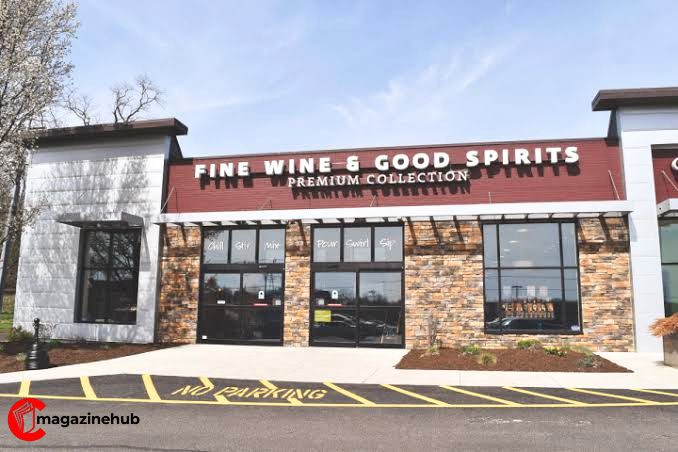
Good spirits share similar qualities. They are typically produced using superior ingredients, carefully controlled distillation methods, and thoughtful maturation processes. Whether it is whiskey, rum, gin, brandy, or tequila, premium spirits showcase depth of flavor and a level of craftsmanship that distinguishes them from mass-produced alternatives.
What separates fine wine and good spirits from ordinary products is not simply price. Instead, it is the combination of quality ingredients, skilled production, consistency, and character that creates a memorable experience.
The Importance of Origin
One of the most important secrets in the world of wine is the concept of origin. Wine experts often refer to the French term “terroir,” which describes the environmental factors that influence grape growing.
Climate plays a major role in shaping wine characteristics. Cooler regions often produce wines with higher acidity and fresh fruit flavors, while warmer climates can create richer, fuller-bodied wines with higher alcohol content.
Soil composition also affects grape development. Limestone, clay, volcanic soils, and gravel each contribute unique characteristics that can be detected in the finished wine.
For spirits, origin matters as well. The water source, grain selection, sugarcane quality, or agave variety can significantly influence flavor. Regions known for producing exceptional spirits have often developed generations of expertise that contribute to product quality.
The location where a wine or spirit is produced remains one of the strongest indicators of its character and authenticity.
Why Craftsmanship Matters
Behind every exceptional bottle is a skilled producer making hundreds of decisions throughout the production process.
In winemaking, vineyard management is crucial. Producers carefully monitor vine health, harvest timing, grape selection, fermentation conditions, and aging methods. Even small changes can affect the final product.
Spirit production requires similar attention to detail. Distillers must choose ingredients carefully, monitor fermentation, manage distillation temperatures, and determine the ideal maturation period.
Master blenders and cellar masters spend years developing their expertise. Their ability to identify subtle flavor differences allows them to maintain quality while creating products with distinct personalities.
This level of craftsmanship often explains why premium bottles stand apart from ordinary alternatives.
The Secret Role of Aging
Many enthusiasts believe that older always means better. In reality, aging is only beneficial when managed properly.
Wine evolves over time through slow chemical reactions that soften tannins, integrate flavors, and develop complexity. However, not every wine is designed for long-term aging. Many wines are crafted specifically for immediate enjoyment.
Spirits mature differently. During barrel aging, the liquid interacts with wood, extracting compounds that contribute flavors such as vanilla, caramel, spice, smoke, and toasted oak.
Temperature fluctuations, humidity levels, barrel quality, and storage conditions all influence the aging process.
A well-aged product reflects balance rather than age alone. The goal is harmony, not simply the passage of time.
Learning to Taste Like an Expert
One of the most rewarding aspects of appreciating fine wine and good spirits is developing your palate.
Professional tasters typically follow a structured approach that begins with observation. Appearance can reveal important clues about age, concentration, and style.
The next step involves evaluating aromas. Swirling wine gently releases aromatic compounds, making it easier to identify fruit, floral, herbal, spice, or oak characteristics.
When tasting, attention should be given to sweetness, acidity, tannins, alcohol, body, and finish. The finish refers to how long pleasant flavors remain after swallowing.
Spirit tasting follows a similar process. Aromas often reveal far more complexity than many people expect. Careful nosing can uncover layers of fruit, spice, wood, smoke, chocolate, coffee, or citrus notes.
Developing tasting skills takes time. The more products you sample thoughtfully, the more easily you will recognize subtle differences.
Common Flavor Profiles
Understanding flavor profiles helps enthusiasts communicate their tasting experiences more effectively.
Red wines often display flavors such as black cherry, plum, blackberry, cocoa, tobacco, and spice. White wines may exhibit citrus, green apple, peach, pear, floral, or mineral notes.
Whiskeys frequently present caramel, vanilla, dried fruit, oak, baking spices, and smoke. Rum may reveal molasses, tropical fruit, caramel, and spice characteristics.
Gin is known for botanical complexity, featuring juniper, citrus peel, herbs, and floral elements. Tequila often showcases agave, pepper, citrus, and earthy flavors.
These tasting notes are not necessarily added ingredients. Instead, they result from natural compounds created during growing, fermentation, distillation, and aging.
Choosing the Right Glassware
Glassware influences how aromas and flavors are perceived.
Wine glasses are designed to direct aromas toward the nose while allowing oxygen exposure to enhance flavor development. Different shapes can emphasize specific characteristics in red, white, or sparkling wines.
Spirit enthusiasts often prefer tulip-shaped glasses because they concentrate aromas more effectively than wide tumblers.
Using appropriate glassware does not require an expensive collection. Even a few quality glasses can noticeably improve the tasting experience.
The right glass helps reveal details that might otherwise remain hidden.
Serving Temperature Makes a Difference
Temperature significantly affects aroma, flavor, and texture.
White wines are generally served cooler than red wines, while sparkling wines require even lower temperatures to preserve freshness and effervescence.
Serving red wine too warm can make alcohol seem dominant. Serving it too cold can suppress aromas and flavors.
Spirits also benefit from thoughtful temperature management. Excessive chilling can mute aromas, while overly warm conditions may emphasize alcohol.
Finding the appropriate serving temperature allows the beverage to express its full character.
Food Pairing Secrets
Pairing food with fine wine and good spirits enhances both the beverage and the meal.
Successful pairings often focus on balance. Rich dishes generally pair well with wines that possess sufficient acidity or structure. Delicate foods require lighter beverages that do not overwhelm subtle flavors.
Red wines commonly complement grilled meats and hearty dishes. White wines often pair beautifully with seafood, poultry, and lighter fare.
Sparkling wines are remarkably versatile because their acidity and bubbles cleanse the palate.
Certain spirits can also create exceptional pairings. Whiskey often works well with smoked meats and aged cheeses, while rum can complement desserts featuring caramel or chocolate.
The best pairings create harmony rather than competition between food and drink.
Building a Collection
Many enthusiasts eventually develop an interest in collecting.
A successful collection does not require enormous spending. Thoughtful purchasing decisions are often more important than quantity.
Begin by identifying styles you genuinely enjoy. Keeping tasting notes can help reveal patterns in your preferences.
Researching producers, vintages, and limited releases allows collectors to make informed decisions. Storage conditions are equally important. Excessive heat, direct sunlight, and temperature fluctuations can damage wine and spirits over time.
A carefully curated collection reflects personal taste and learning rather than simply financial investment.
Mistakes Enthusiasts Should Avoid
Even experienced enthusiasts occasionally make mistakes.
One common error is assuming higher prices guarantee better quality. While premium products often justify their cost, value can be found across many price ranges.
Another mistake is overlooking lesser-known regions and producers. Some outstanding wines and spirits come from emerging areas that receive less attention than famous names.
Rushing through tastings is also problematic. Fine wine and good spirits reward patience. Taking time to evaluate appearance, aroma, flavor, and finish leads to a far more rewarding experience.
Finally, relying solely on ratings can limit discovery. Personal preference remains an essential part of enjoyment.
Modern Trends Shaping the Industry
The world of fine wine and good spirits continues to evolve.
Sustainability has become a major focus. Producers increasingly adopt environmentally responsible farming, water conservation, and energy-efficient production methods.
Organic and biodynamic practices are gaining popularity among winemakers seeking healthier vineyard ecosystems and greater expression of terroir.
Craft distilleries have also expanded dramatically. Smaller producers often experiment with unique ingredients, innovative aging techniques, and creative flavor profiles.
Technology is influencing production as well, helping producers improve quality control while preserving traditional craftsmanship.
These trends are creating exciting opportunities for enthusiasts to explore new styles and experiences.
Investment and Long-Term Value
Some collectors view fine wine and good spirits as alternative investments.
While certain rare bottles appreciate significantly in value, investing requires careful research and realistic expectations. Factors such as rarity, producer reputation, storage conditions, and market demand all influence future value.
Most enthusiasts find the greatest return comes not from financial gain but from the enjoyment of learning, collecting, and sharing exceptional bottles with others.
The true value of fine wine and good spirits lies in the experiences they create and the stories they preserve.
Conclusion
The world of fine wine and good spirits is rich with history, craftsmanship, and discovery. Understanding the factors that influence quality—from terroir and production methods to aging, tasting techniques, and food pairing—allows enthusiasts to appreciate every bottle on a deeper level.
Whether you are exploring wines from renowned vineyards, sampling carefully aged whiskeys, or building a personal collection, the journey is as rewarding as the destination. The most valuable secret every enthusiast should know is that appreciation grows through curiosity, patience, and experience.
Fine wine and good spirits are not merely beverages. They are reflections of tradition, artistry, and human dedication, offering endless opportunities for learning and enjoyment with every pour.
Frequently Asked Questions
What is considered fine wine?
Fine wine is produced from high-quality grapes and crafted with careful attention to vineyard management, fermentation, and aging. These wines typically offer greater complexity, balance, and aging potential than standard wines.
What makes a spirit a premium or good spirit?
A good spirit is made using quality ingredients, precise distillation techniques, and proper maturation. The result is a smoother, more flavorful beverage with greater depth and character.
Can beginners enjoy fine wine and good spirits?
Absolutely. Beginners can start by exploring different styles, taking tasting notes, and learning basic tasting techniques. Experience and curiosity are often more important than expertise.
How should fine wine and good spirits be stored?
Wine should be stored in a cool, dark place with stable temperatures. Spirits should be kept upright and away from direct sunlight to preserve their quality over time.
Are fine wine and good spirits worth collecting?
Many enthusiasts enjoy collecting because it allows them to explore unique bottles, learn about production methods, and build a personal collection that reflects their tastes and interests.
